


Prostatitis is an inflammatory disease of the male prostate, which is located directly below the bladder and the smaller part of the genitals.
Every 7th man over the age of 35 suffers from prostatitis, and for all intents and purposes, the risk of the inflammatory process of the prostate increases under the influence of external and internal factors.
Reasons

Inflammation of the prostate can develop for various reasons, doctors identify the main ones:
- Violation of blood microcirculation in the pelvic organs - this leads to stagnant processes and contributes to an increase in the size of the prostate gland.Obesity and a sedentary lifestyle contribute to stagnant processes.
- If bacteria, viruses or protozoa enter the prostate tissue against the background of an acute or chronic inflammatory process occurring in other organs of the body, diseases such as tonsillitis, gonorrhea, urethritis, cystitis, influenza and pyelonephritis can cause prostatitis.Infectious agents can enter the prostate through the blood and lymph flow if there is infection in distant areas and organs.
- Injuries and bruises in the soft tissues of the abdomen, perineum and external genitalia - this leads to swelling and poor circulation in the area of the injury;
- Hypothermia of the body.
- Chronic constipation.
- Hormonal disorders.
- A stormy or, on the contrary, absent sex life is harmful, both frequent sex (several times a day) and infrequent intimate relations (less than once a week), as it leads to exhaustion of the gonads or congestion of the prostate.
Symptoms of prostatitis
The disease has an acute and chronic form.
Acute prostatitis is characterized by a sudden onset against the background of general well-being, which is clinically accompanied by the following symptoms:
- chills and weakness;
- general malaise;
- increased irritability and nervousness;
- increased body temperature (up to 37.5 degrees);
- pulling or cutting pain in the lower abdomen and perineum;
- frequent urge to urinate with a persistent feeling of incomplete emptying of the bladder;
- pain in the rectum and difficulty passing stool.
In the absence of diagnosis and timely treatment, acute prostatitis can be complicated by the purulent process and the release of pus from the urethra during urination.
Signs of chronic prostatitis
When the disease becomes chronic, the clinical symptoms of prostatitis subside and the patient feels that the cure has taken place.The characteristic signs of the chronic inflammatory process of the prostate gland are a burning sensation along the urethra with irradiation of the barrier, which may increase with urination and defecation.The disease progresses gradually and causes impotence.Chronic prostatitis is associated with periods of remission and exacerbation, but the symptoms disappear even in the moments of exacerbation, they are not as pronounced as in the acute form.Clinically, the following symptoms appear:
- difficulty in erection;
- inability to complete sexual intercourse with ejaculation;
- decreased sexual desire;
- slimy discharge from the urethra mixed with white flakes;
- a feeling of incomplete emptying of the bladder;
- throbbing pain in the lumbar region, vulva and groin;
- weak urine flow - this is observed due to the narrowing of the lumen of the urethra against the background of compression by an enlarged prostate.
The chronic, slow inflammatory process of the urethra irritates the nerve endings in the pelvis and causes a constant urge to urinate, especially at night.Many men are embarrassed to go to the doctor with such a delicate problem, which increases the risk of developing serious complications such as complete erectile dysfunction, infertility or even prostate cancer.
In addition, from the source of chronic infection of the prostate, pathogenic microorganisms enter the kidneys via blood and lymph, causing acute inflammation, urinary retention, and increasing the risk of kidney failure.
The constant accumulation of urine in the bladder and urethra creates favorable conditions for the formation of salt crystals and then stones - very often in men, prostatitis occurs simultaneously with urolithiasis.
Diagnostic methods
The urologist is involved in the diagnosis, treatment and prevention of prostatitis.In order to establish a diagnosis, to determine the form and cause of the inflammatory process of the prostate, the patient must undergo a number of tests:
- palpation of the prostate - is done through the rectum and allows for an increase in size, pain, discharge of pus or mucus after palpation;
- the discharge from the urethra is smeared - the obtained material is sent to the laboratory for examination;
- urine analysis - general, etc.;
- Ultrasound of the pelvic organs and the prostate.
If it is suspected that the pathological process has spread to the bladder, the patient also undergoes a cystoscopy - examination of the walls of the bladder with a flexible device, which is equipped with an optical system at the end.
When diagnosing prostatitis, it is very important to distinguish the pathological process from prostate adenoma and other urological diseases with a similar clinical course.
Treatment
The treatment of acute and chronic forms of prostatitis is different, so patients are strongly advised not to self-medicate.
The acute, non-bacterial form of prostatitis is comprehensively treated using herbal remedies and anti-inflammatory drugs.
Treatment of acute bacterial prostatitis
The principles of treatment of acute forms of bacterial prostatitis depend directly on how pronounced the symptoms of the disease are.
A distinguishing feature of bacterial prostatitis is the acute onset and rapidly increasing signs of intoxication of the body - nausea, vomiting, headache, high body temperature.The process of emptying the bladder is accompanied by cutting pain in the lower abdomen and perineum, which radiates to the lower back.Very often, a purulent process occurs and an abscess forms in the prostate.
Acute bacterial prostatitis is treated in a hospital setting, as the patient's condition can be extremely serious.The therapy consists of an integrated approach:
- the patient must remain in bed;
- antibiotics are prescribed - macrolides, fluoroquinolones, cephalosporins;
- drugs are selected that improve blood microcirculation in the pelvic organs.They ensure the outflow of lymph and venous blood, which reduces the severity of swelling and inflammation of the prostate;
- Medicines belonging to the group of non-steroidal anti-inflammatory drugs are taken orally.These drugs not only reduce the inflammatory process, but also eliminate pain;
- pain relievers - you can take pills orally or insert rectal suppositories into the rectum;
- In order to eliminate poisoning of the body, a physiological sodium solution with glucose is prescribed intravenously.
Important!Prostate massage is strictly prohibited, as there is a high risk of developing sepsis.
Surgical treatment
Surgery for prostatitis is only necessary if the patient develops acute urinary retention and there is no way to empty the bladder.Surgery cannot be avoided if a prostate abscess occurs.
The process of treating prostatitis lasts 14 days, after which the patient again undergoes a comprehensive examination to assess the effectiveness of the therapy.If necessary, the treatment is extended and modified.
Treatment of the chronic form
The treatment of chronic prostatitis is different and largely depends on the stage of the pathological process.In case of exacerbation of the inflammatory process, the therapy is carried out in the same way as in the case of acute prostatitis.
Treatment of chronic prostatitis during remission is as follows:
- taking non-steroidal anti-inflammatory drugs naturally.Medicines are prescribed twice a day for at least 3 days, sometimes up to 5 days.
- Medicines that improve venous and lymphatic drainage.
- Immunomodulators.
- Antidepressants and sedatives help to normalize sleep and eliminate irritability.
- Multivitamin complexes rich in zinc, selenium and B vitamins.
In the remission phase of the inflammatory process of the prostate, the patient is recommended for physiotherapy treatment:
- prostate massage;
- ultrasound;
- electrophoresis;
- magnet therapy;
- microwave hyperthermia.
Surgical treatment of chronic prostatitis
In advanced chronic prostatitis, the patient sometimes requires surgical intervention.This can be done in two ways:
- transurethral resection;
- prostatectomy.
Transurethral resection
This surgical treatment method is a minimally invasive procedure, although it is performed under general anesthesia.During the procedure, a resectoscope is placed under the urethra, through which electrical current pulses are introduced.These electrical pulses act like an electric knife and partially remove the prostate tissue.The huge advantage of this method of intervention is the absence of blood loss, since the electric waves not only remove the modified prostate tissue, but also immediately treat the blood vessels, preventing bleeding.
Transurethral resection significantly alleviates the patient's condition - urination is restored after the operation, the man no longer has a burning sensation in the perineum, and he does not jump to the toilet at night.Erectile function and normal ejaculation are also restored.The entire surgical process is monitored on the doctor's monitor screen, so the risk of complications during or immediately after surgery is minimal.
Prostate removal
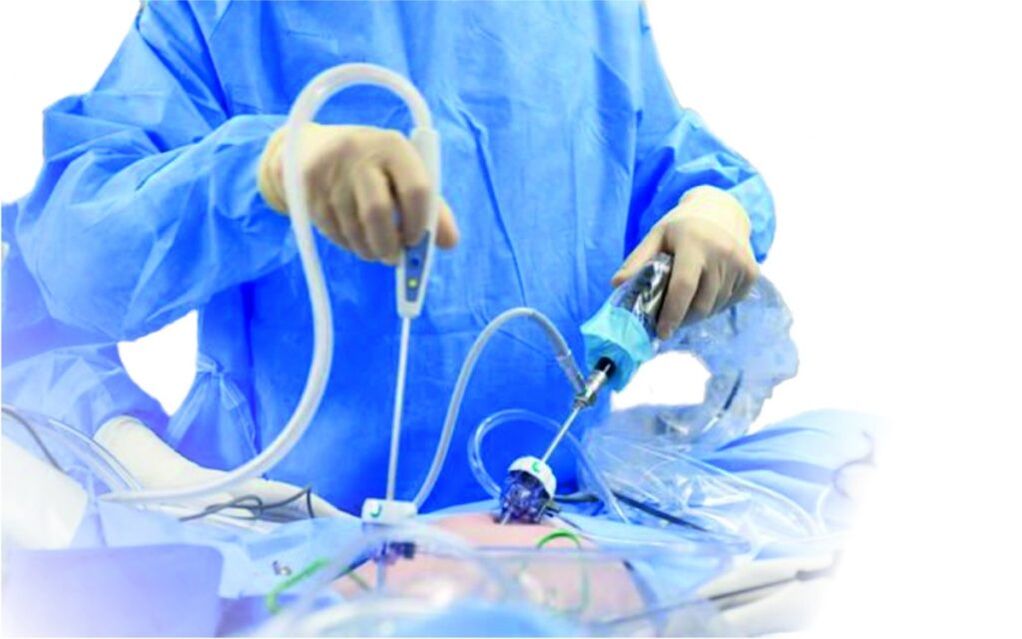
A prostatectomy is a major abdominal surgery and always carries risks for the patient.During the operation, the doctor removes all or most of the prostate.The recovery period is 4-6 weeks, there is a high risk of postoperative complications, but sometimes this surgical intervention is the only way to alleviate the patient's condition and eliminate the consequences of severe prostatitis.
Other treatments for chronic prostatitis
Other methods of treating chronic prostatitis include:
- hirudotherapy - or treatment with leeches.Medical leeches are placed on the inflamed area, and during their activity, they secrete a substance with saliva that regulates the blood, eliminates congestion and quickly stops the inflammatory process.Leeches are used only in a special, medical, individual way for each patient.After the procedure, the doctor places the used leech in an antiseptic solution, in which it dies.It is optimal to undergo at least 5 hirudotherapy courses.
- Cryodestruction - liquid nitrogen is used.This treatment method is recommended for patients who do not respond well to drug therapy and for some reason surgery is contraindicated for them.
- Microwave therapy is a special method - electromagnetic waves are applied to the prostate area.After just 1 procedure, tissue swelling decreases, blood circulation normalizes, and congestion ceases.After an electromagnetic therapy, the patient's urination and erectile function are completely restored.
- The treatment with ultrasound waves allows the inflammatory process occurring in the remission phase to be stopped quickly;ultrasound therapy is not performed during the exacerbation period.In order to increase the therapeutic effect, it is also possible to use medicines that penetrate directly into the prostate tissue under the influence of ultrasound.
- Urethral stenting - the essence of the procedure is the installation of a special stent in the urethra, which expands the lumen of the urethra and promotes the normal outflow of urine.Despite the effectiveness of the procedure, urethral stenting only eliminates the clinical symptoms of prostatitis, but does not free the patient from the chronic inflammatory process.
Consequences and complications
In the absence of qualified therapy, prostatitis progresses rapidly, becomes chronic and threatens a man's health with serious complications, including:
- urolithiasis;
- pyelonephritis;
- abscess formation;
- the spread of the inflammatory process to the testicles and spermatic cords, which leads to infertility;
- erectile dysfunction and impotence;
- necrotic changes in the prostate tissue.
Sometimes prostatitis and chronic stagnant processes for a long time give impetus to the degeneration of the disease into an adenoma and then into prostate cancer.